
Describe the property
Send the location, symptoms, equipment and access details. State whether the work is a repair, replacement or planned project.
Need duct cleaning in Glencoe? Tell us which air ducts, dryer vent or ventilation equipment need attention. A responding provider will confirm coverage and availability before booking.
Get A Free QuoteCompare scopes for suction collection, brushing at supply and return registers, grille washing, and interior photos. Ask which runs are accessible and included.
View scopeConfirm that clearing follows the complete route from dryer to outdoor hood, including elbows, and ask whether airflow readings will be shared before and after.
View scopeAsk whether the blower assembly will be removed, the evaporator coil washed in place, and accessible heat exchanger faces cleaned. Confirm access and exclusions.
View scopeCompare scopes for the exchanger core, screens, drain, exhaust fans, ducts, and exterior caps. Routes and access determine which components can be included.
View scopeConsider treatment only after cleaning. Request the product name, label, application details, treated surfaces, and re-entry instructions before deciding.
View scopeAsk whether leakage testing will identify joints for sealing and whether the scope includes rehanging or rebuilding sagging or damaged duct runs.
View scopeRequest a building-specific ventilation scope, timing plan, and completion records. Equipment layout, access, business hours, and building use affect the work.
View scopeFor a shop, office, hall, or other commercial building in Glencoe, start by documenting the air-handling equipment, occupied areas, access restrictions, and operating hours. A hall, dealership, and small office can have very different ventilation layouts, so a useful quote should follow an inspection rather than rely on floor area alone. Ask for a written scope, proposed timing, and the records to be supplied after work. If planting, harvest, events, or business operations limit access, include those constraints when planning the project.
Compare scopes for suction collection, brushing at supply and return registers, grille washing, and interior photos. Ask which runs are accessible and included. Confirm that clearing follows the complete route from dryer to outdoor hood, including elbows, and ask whether airflow readings will be shared before and after. Ask whether the blower assembly will be removed, the evaporator coil washed in place, and accessible heat exchanger faces cleaned. Confirm access and exclusions.
Compare scopes for the exchanger core, screens, drain, exhaust fans, ducts, and exterior caps. Routes and access determine which components can be included. Consider treatment only after cleaning. Request the product name, label, application details, treated surfaces, and re-entry instructions before deciding.
Ask whether leakage testing will identify joints for sealing and whether the scope includes rehanging or rebuilding sagging or damaged duct runs. Request a building-specific ventilation scope, timing plan, and completion records. Equipment layout, access, business hours, and building use affect the work.
If drying takes longer than expected or the laundry area feels unusually warm, check the lint screen, the exterior hood, and the route between the dryer and the outside. A vent may run through a basement, an addition, or a separate laundry building, with elbows that change the work involved. Before comparing quotes, ask whether the full run will be cleared and whether airflow will be measured at the hood before and after. Those details define the scope without assuming a particular result.
Explore this serviceSend the location, symptoms, equipment and access details. State whether the work is a repair, replacement or planned project.
The request is reviewed so the responding provider can clarify the work, property access and service coverage.
Agree the provider identity, qualifications, written scope, pricing and visit window directly. Sending a form does not confirm an appointment.
Look for sagging, loose supports, or split duct sections in accessible areas beneath additions. Share photographs and ask whether the proposal covers fastening, rehanging, or replacing damaged runs. A simple loose support and a deteriorated duct require different work, so clarifying the repair method helps explain differences between quotes.
Ask whether photographs will show representative duct interiors before and after work, and how those images will be reviewed with you. If an older system has different trunk lines or later additions, identify those sections beforehand. Documentation makes it easier to understand which areas were inspected and what cleaning changed.
A vent that exits through a wall or roof can have a different access point and cleaning scope. Ask whether the outdoor hood and the pipe behind it are included, and whether the dryer connection will be checked. Confirming both ends helps prevent a quote from covering only the easiest visible section.
Locate the HRV and note whether its core, screens, and drain are accessible. Ask which parts will be removed or washed and how the drain will be checked. Core design and the condition of nearby components affect the method; confirming the included work helps distinguish core cleaning from a broader service.
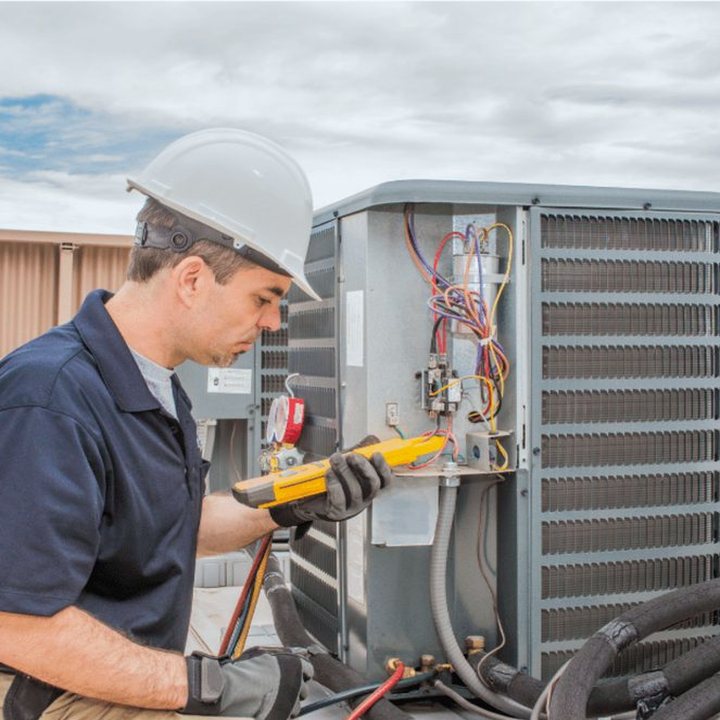
Ask whether the evaporator coil can be washed in place and whether the fins, drain tray, and drain path are included. Photograph visible access panels and share any known drainage concerns. Coil construction and access affect the method; confirm how water will be contained and what work falls outside the cleaning.
Use the form to describe the property, the symptoms and the work requested. For Newbury, Wardsville, Bothwell, Thamesville, include your postal code so local coverage can be checked.
If your location is not listed, include its postal code with the requested work. Coverage, travel arrangements and scheduling must be confirmed directly with the provider.